Plan a City Break Around One Good Walk
One well-chosen walk can give a city break a shape without filling every hour. Pick a route that joins different kinds of space, allows a few stops and leaves a sensible way home. You can then place booked visits around it rather than using your entire stay to shuttle between attractions. The walk becomes a framework, with enough flexibility for weather, tired feet and the occasional promising side street.
Porto offers a useful example because the shift between broad civic spaces and the riverfront is part of the experience. You could begin around Avenida dos Aliados, continue toward São Bento, and work down toward Ribeira, adjusting the exact route to current access and your mobility. Treat that as a suggested connection rather than a timed or step-free itinerary. Slopes, paving and the return climb deserve attention before you commit to a particular path.
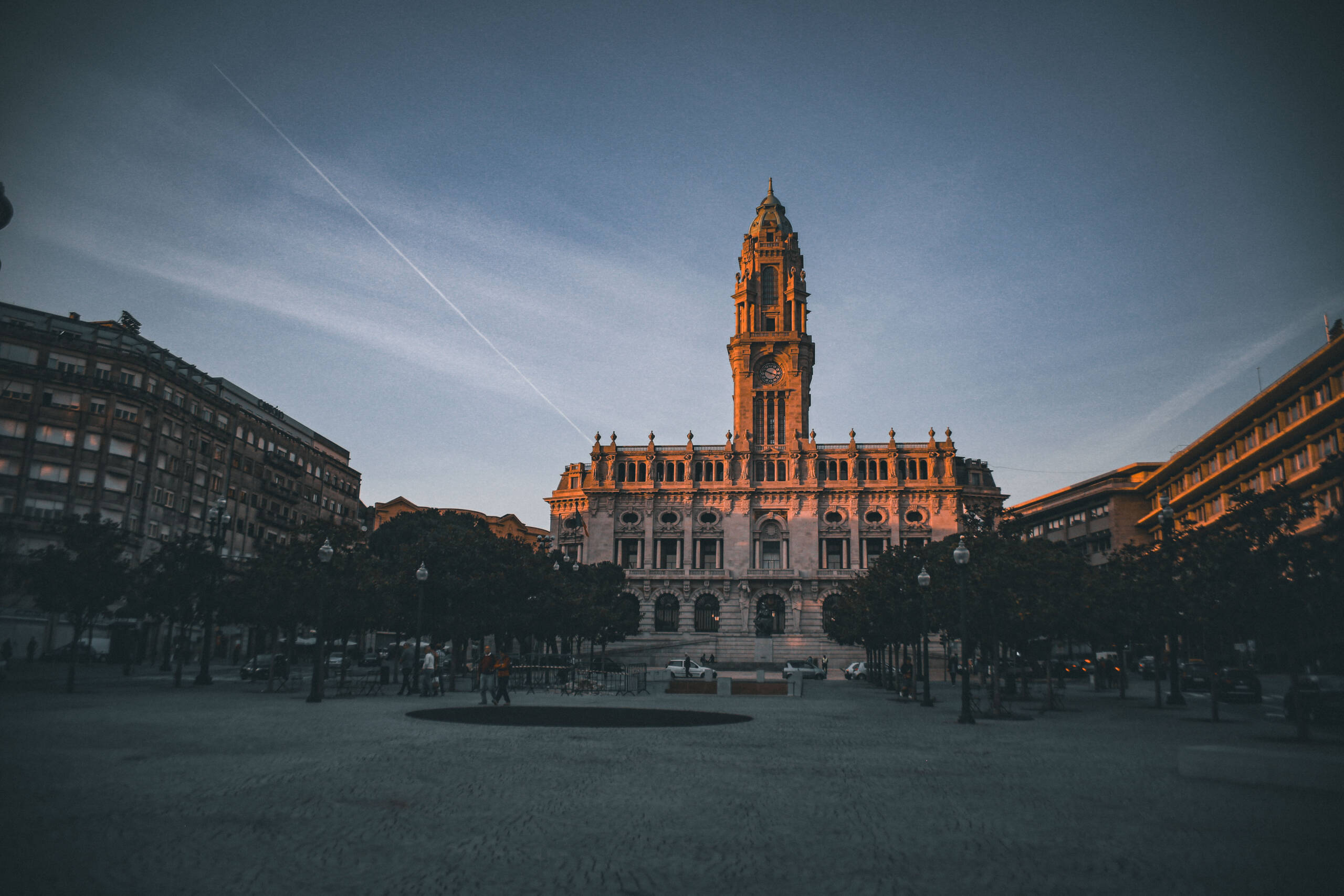
The photograph of Aliados shows why a walk benefits from a strong starting point. The City Hall tower rises above a broad paved foreground, its stonework catching warm light against a cool blue-gray sky. Trees and large buildings frame the sides, while a few people remain small within the open space. Before you move into narrower streets, this kind of view gives you a sense of the city's scale. It is worth a pause rather than a quick photograph taken while checking directions.
Choose an endpoint for a reason. A riverfront offers a change of scale and a place to stop; a museum works when you have a booking; a neighborhood market can anchor a morning if you have checked its opening. Avoid using a distant restaurant reservation as the finish unless you are comfortable adjusting the rest of the route around it. A walk that constantly has to make up time starts to feel like a transfer.
Build in one optional detour and leave the rest open. Too many supposedly optional stops become a second itinerary to manage. If a church, gallery or courtyard catches your attention, decide whether it earns time now or belongs on another day. You do not have to enter every important building you pass. Sometimes seeing how it sits in the street is exactly what that part of the trip needs.
Plan the physical demands as carefully as the sights. Check the likely terrain, places to rest, weather exposure and a way to shorten the route. A line that looks compact on a map can include steep changes in level. Returning by public transport may make an otherwise tiring walk practical, provided you have checked the actual connection. People travel with different levels of stamina, and a good plan makes adjustment ordinary rather than embarrassing.
For photography, let the walk supply a sequence. Begin with an establishing view, notice transitions between streets, and look for details that recur: stone patterns, balconies, doorways or the way light touches the upper floors. Include a few frames with people using the space. A set of isolated landmarks can show where you went; a connected sequence can show how the city unfolded.
Leave time at the endpoint to do very little. Sit, have a drink, look back across the route if the geography allows it, and decide whether there is energy for another visit. The empty interval is useful. It gives the sights a chance to become memories rather than a backlog of photographs to sort later.
On the following day, you can revisit part of the route in different light or explore the neighborhood that seemed most interesting. That is one advantage of starting with a coherent walk: it produces better questions for the rest of the stay. A city break does not need a complete inventory. It needs enough structure to get you moving, and enough spare time for the place itself to influence the plan.